
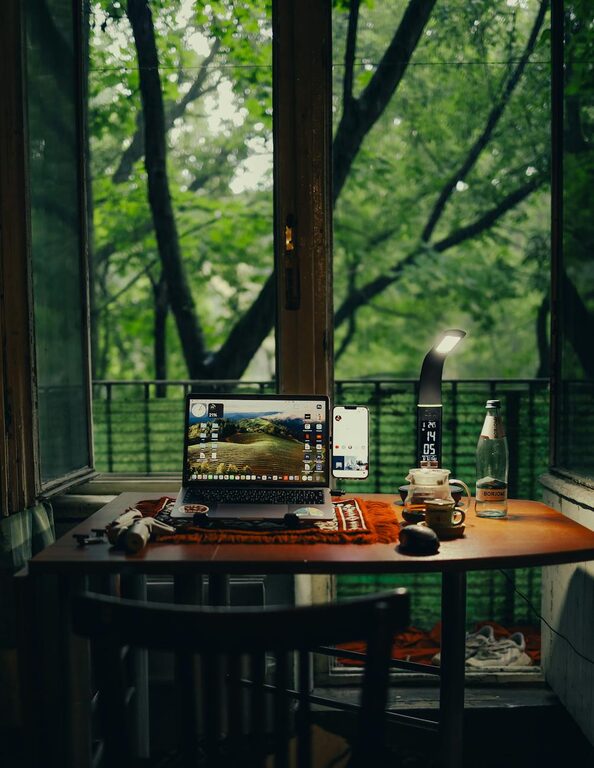
Creating a home office that feels both cozy and productive is essential for anyone working remotely or managing tasks from home. A well-designed workspace can enhance focus, increase motivation, and reduce stress, making your workday smoother and more enjoyable. In this post, we’ll explore practical tips to help you set up a home office that suits your needs and style.
Choose the Right Location
Find a Quiet Corner
Start by selecting a spot in your home that is as quiet as possible. Avoid high-traffic areas like the kitchen or living room if you can, to minimize distractions. A separated room is ideal, but if that’s not available, a dedicated corner with dividers or screens can work well.
Consider Natural Light
Natural light boosts mood and energy. Position your desk near a window if possible, but avoid glare on your computer screen. If natural light is limited, plan for good artificial lighting.
Invest in Comfortable Furniture
Ergonomic Chair and Desk
Choose an ergonomic chair that supports your back, and adjust your desk or table height to keep your arms at a 90-degree angle when typing. Comfort prevents fatigue and potential pain that can come from long hours of work.
Add Support Accessories
Consider accessories like a footrest, wrist pads, or a monitor stand to customize your comfort. These small additions can make a big difference in your posture and overall comfort.
Organize Your Space Effectively
Declutter Regularly
Keep only the essentials on your desk. Decluttering helps reduce stress and distractions, making it easier to focus.
Use Storage Solutions
Incorporate shelves, filing cabinets, or organizers to store documents and supplies neatly. Label boxes or drawers so you can find things quickly.
Cable Management
Tidy cables with clips or sleeves to make your workspace look neat and avoid tangling, which can be both frustrating and unsafe.
Personalize with Cozy Touches
Choose Soothing Colors
Pick colors that help you feel relaxed yet alert. Soft blues, greens, or neutrals are often favored, but feel free to add your personal touch with accent colors or artwork.
Add Plants
Indoor plants enhance air quality and bring a touch of nature indoors. Low-maintenance varieties like succulents or snake plants work well in office settings.
Use Soft Textiles
Incorporate a comfortable rug, cushions, or a throw blanket to soften the space and increase comfort, especially if your floor is hard.
Optimize Lighting
Layer Your Lighting
Use a combination of overhead, task, and ambient lighting. An adjustable desk lamp with warm light can help you focus and reduce eye strain during late hours.
Avoid Harsh Fluorescent Lights
Harsh lighting can cause headaches and fatigue. Opt for LED bulbs with adjustable brightness and color temperature if possible.
Minimize Distractions
Set Boundaries
Communicate your working hours with family or housemates to minimize interruptions.
Use Noise-Cancelling Headphones
If noise is unavoidable, noise-cancelling headphones or white noise machines can help you maintain concentration.
Incorporate Technology Thoughtfully
Setup Reliable Equipment
Invest in a good-quality computer, fast internet connection, and any other tech tools you need for productivity.
Keep Technology Organized
Use stands or docking stations to keep devices accessible and charging neatly without cluttering your desk.
Establish a Routine
Create a Start and End Ritual
Define when your workday begins and ends. This might include making coffee before starting or cleaning your desk after finishing to mentally switch between work and home.
Schedule Breaks
Regular breaks are important to refresh your mind and body. Use a timer or app to remind yourself to stand, stretch, or walk.
Final Thoughts
A cozy and productive home office is achievable with thoughtful planning. By focusing on comfort, organization, and personalization, you can create a space that supports both your wellbeing and work goals. Remember, your home office should reflect your unique preferences and lifestyle, so feel free to experiment and adjust until it feels just right.