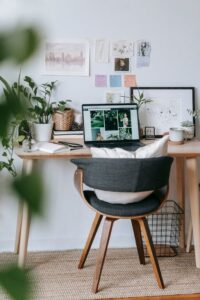
Creating a home office that feels both cozy and inviting can transform the way you work and improve your overall well-being. Whether you’re working remotely full-time or need a quiet spot for occasional tasks, a thoughtfully arranged workspace can help you stay focused and motivated. In this post, we’ll explore practical tips to make your home office a warm, functional, and enjoyable place to be.
Choose the Right Location
Finding the perfect spot in your home is the first step. Consider areas with natural light, as sunlight can boost mood and reduce eye strain. If possible, select a space away from high-traffic areas to minimize distractions. Corners, spare bedrooms, or even sections of your living room can be adapted into an efficient office nook.
Prioritize Comfortable and Functional Furniture
Your furniture sets the tone for your entire office. Invest in an ergonomic chair with good lumbar support to keep you comfortable during long hours. A sturdy desk at the right height reduces strain on your wrists and back.
– Desk options: Consider adjustable desks if you prefer alternating between sitting and standing.
– Storage solutions: Shelves, drawers, or filing cabinets help keep your space tidy and organized.
Comfort and functionality go hand in hand to encourage productivity and prevent fatigue.
Personalize Your Space with Soothing Colors and Textures
Color and texture influence the atmosphere of your office. Soft, neutral tones like light grays, creams, or pastels create a calm background that’s easy on the eyes. If you prefer a bit of color, incorporate it through accessories, such as cushions, rugs, or wall art.
Textures like a plush rug, cozy throw blanket, or fabric-covered bulletin board add warmth and make the office feel inviting. Avoid overly bright or distracting patterns so the space remains a place for focus and creativity.
Optimize Lighting for Comfort and Productivity
Good lighting is essential in any workspace. Aim to maximize natural light during the day by positioning your desk near a window. Supplement with layered artificial lighting for late afternoon or evening work:
– Ambient lighting: Overhead lights provide general illumination.
– Task lighting: Desk lamps with adjustable brightness focus light where you need it most.
– Accent lighting: Soft lamps or string lights can create a warm atmosphere.
Make sure lighting reduces glare on screens and doesn’t cause harsh shadows.
Incorporate Greenery and Natural Elements
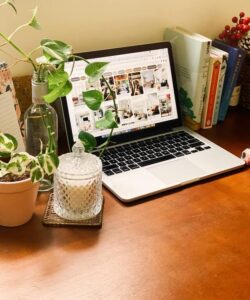
Plants not only brighten the room visually but also improve air quality and reduce stress. Small potted plants, succulents, or even a vase of fresh flowers on your desk can enhance the ambiance. Natural elements like wooden accessories or stone planters contribute to a grounded and calming environment.
Keep Your Workspace Organized and Clutter-Free
A cluttered desk can become a distraction and added stress. Use organizers such as trays, pen holders, and cable management tools to keep everyday items in place. Regularly declutter and store away items you don’t need immediately to maintain a neat setup.
Digital organization is also important. Consider organizing your computer files and emails to stay efficient and avoid overwhelm.
Add Personal Touches Without Overdoing It
It’s great to include items that inspire and motivate you—family photos, artwork, inspirational quotes, or souvenirs from travels. Display these thoughtfully so they bring joy without creating visual noise. Rotating items seasonally or as your taste changes keeps the space fresh.
Invest in Quality Technology and Accessories
Reliable technology helps your home office run smoothly. Make sure your computer, monitor, keyboard, and mouse are comfortable and suited to your needs. Noise-cancelling headphones can reduce distractions if your home is busy.
Small additions like a wireless charger, a good microphone for calls, or a smart speaker can enhance convenience.
Mind Your Ergonomics and Movement
To create a healthy workspace:
– Adjust your chair and monitor so your screen is at eye level.
– Keep feet flat on the floor or on a footrest.
– Use an external keyboard and mouse if you work on a laptop.
– Take short breaks every hour to stand, stretch, or walk around.
This approach prevents strain and keeps you energized throughout the day.
Create Zones for Different Activities
If space allows, separate your home office into specific zones—for example, a main work desk for computer tasks, a reading nook with a comfortable chair, or a tabletop for planning and drawing. This makes your space versatile and supports different modes of working.
Maintain a Consistent Routine
Finally, treat your home office as a dedicated work area by maintaining a routine. Start your day by setting your space, keeping it tidy, and signaling to yourself when work begins and ends. This helps mentally separate work from home life and increases productivity.
—
By following these tips, you can design a home office that is welcoming, functional, and tailored to your preferences. A cozy and inviting workspace not only makes working from home more pleasant but also helps you perform at your best. Happy decorating!