
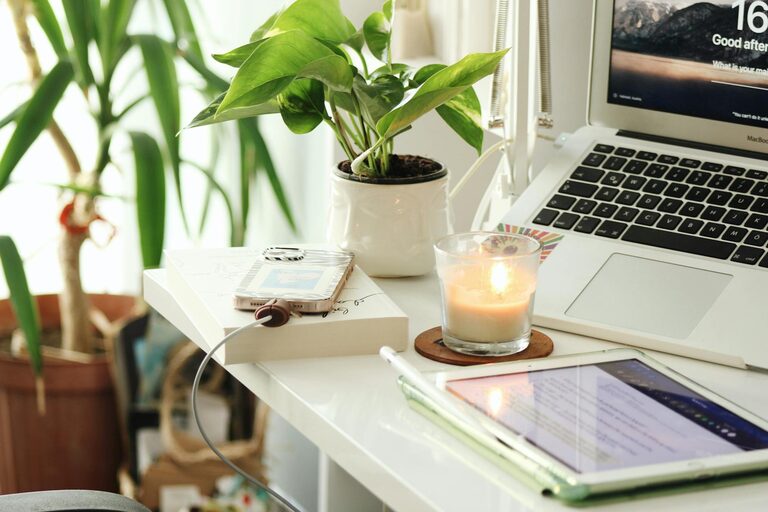
Creating a home office that is both cozy and productive can make a significant difference in your work-from-home experience. When your workspace is inviting and well-organized, it’s easier to focus, stay motivated, and enjoy your daily tasks. Whether you’re setting up a new office or improving an existing one, these tips will help you create a space that supports your work and well-being.
1. Choose the Right Location
Selecting the best spot in your home for a home office is the first step. Ideally, pick a quiet area with minimal distractions and good natural light. A corner of a spare room, a section of the living room, or even a nook near a window can work well. Avoid places with heavy foot traffic where you might be interrupted often.
Having a dedicated space for work helps your brain associate that area with productivity, making it easier to focus when you’re there.
2. Invest in Comfortable and Supportive Furniture
Your comfort is key to staying productive throughout the day. Invest in an ergonomic chair that supports your back and encourages good posture. Pair it with a desk at the right height for you so that your arms form a 90-degree angle when typing.
If space allows, consider standing desks or adjustable desks that let you alternate between sitting and standing. This can reduce fatigue during long work sessions.
3. Optimize Lighting for Comfort and Efficiency
Good lighting reduces eye strain and improves focus. Natural light is best, so position your desk near a window if possible. When natural light is limited, use a combination of general overhead lighting and task lighting like a desk lamp.
Choose bulbs that mimic natural daylight, as these tend to boost alertness and mood better than harsh fluorescents or very yellow lights.
4. Keep Your Workspace Organized
Clutter can be distracting, so keeping your desk and office area tidy is essential. Use storage solutions like shelves, filing cabinets, and drawer organizers to keep papers, gadgets, and supplies in order.
Practice a quick daily clean-up routine—like spending five minutes at the end of the day tidying your desk—to maintain a clutter-free environment.
5. Personalize Your Space
Make your workspace feel pleasant and inviting by adding some personal touches. A few family photos, a favorite mug, or a small plant can boost your mood without causing distractions.
Plants are especially beneficial because they improve air quality and add a calming touch of nature to your workspace.
6. Minimize Noise and Distractions
If possible, create a sound-friendly environment by adding rugs, curtains, or soft furnishings that absorb noise. Use noise-canceling headphones or play gentle background music or white noise to block out distractions.
Let others in your household know your work hours and encourage quiet during those times for better concentration.
7. Use Technology Wisely
Invest in reliable technology such as a good computer, high-speed internet, and necessary peripherals like a quality keyboard and mouse. A second monitor can also improve productivity if your work involves multitasking.
Keep cables organized with clips or sleeves to avoid tangled messes that can clutter your desk.
8. Plan Your Layout for Efficiency
Arrange your desk and storage so that frequently used items are within easy reach. This reduces unnecessary movement and helps you stay in your workflow.
Consider placing your monitor at eye level to avoid neck strain. Keep your keyboard and mouse positioned so your wrists stay straight.
9. Create a Routine and Define Boundaries
Having a consistent routine helps separate work time from personal time. Start your workday at the same time each day and include short breaks to stretch or rest your eyes.
Physically leaving your desk at the end of the day—even if it’s just stepping into another room—helps signal the end of work and supports a better work-life balance.
10. Stay Inspired and Motivated
Keep your workspace inspiring by changing things when needed. Rotate artwork, update your calendar with motivational quotes, or reorder your desk supplies to keep things fresh.
Setting small daily goals can also boost your sense of accomplishment and keep you motivated.
—
Creating a cozy and productive home office is about balancing comfort with function. By thoughtfully considering your workspace’s location, furniture, lighting, and organization, you can craft a room that feels welcoming and helps you do your best work every day. Remember, your home office should work for you—feel free to experiment and adjust until you find the perfect setup that suits your needs.